The clocks have just gone back, the evenings are dark by teatime, and many of us feel it. Lower mood, more tiredness, stronger cravings, less motivation. If that is you, it is not weakness. It is biology responding to a changing environment.
Here is what is happening:
Less light. Morning light helps set your body clock and supports the hormones that regulate sleep and alertness. Shorter days mean less of it, which can leave you groggy and flat.
Shifted sleep hormones. With earlier darkness, your body can produce melatonin earlier, so you feel sleepy sooner and sluggish in the morning.
Changes in mood chemistry. Reduced sunlight is linked to changes in serotonin activity, which plays a role in mood and appetite.
Some people experience a more significant seasonal pattern, often called seasonal affective disorder. If your low mood is heavy, lasts for weeks or affects daily life, please speak to your GP. Support is available and it works.
For everyone else, here is what helps:
Get outside within an hour of waking, even on a grey day. Daylight outdoors is far brighter than indoor light.
Keep a steady wake time, including weekends.
Move your body daily. A 20 minute walk counts.
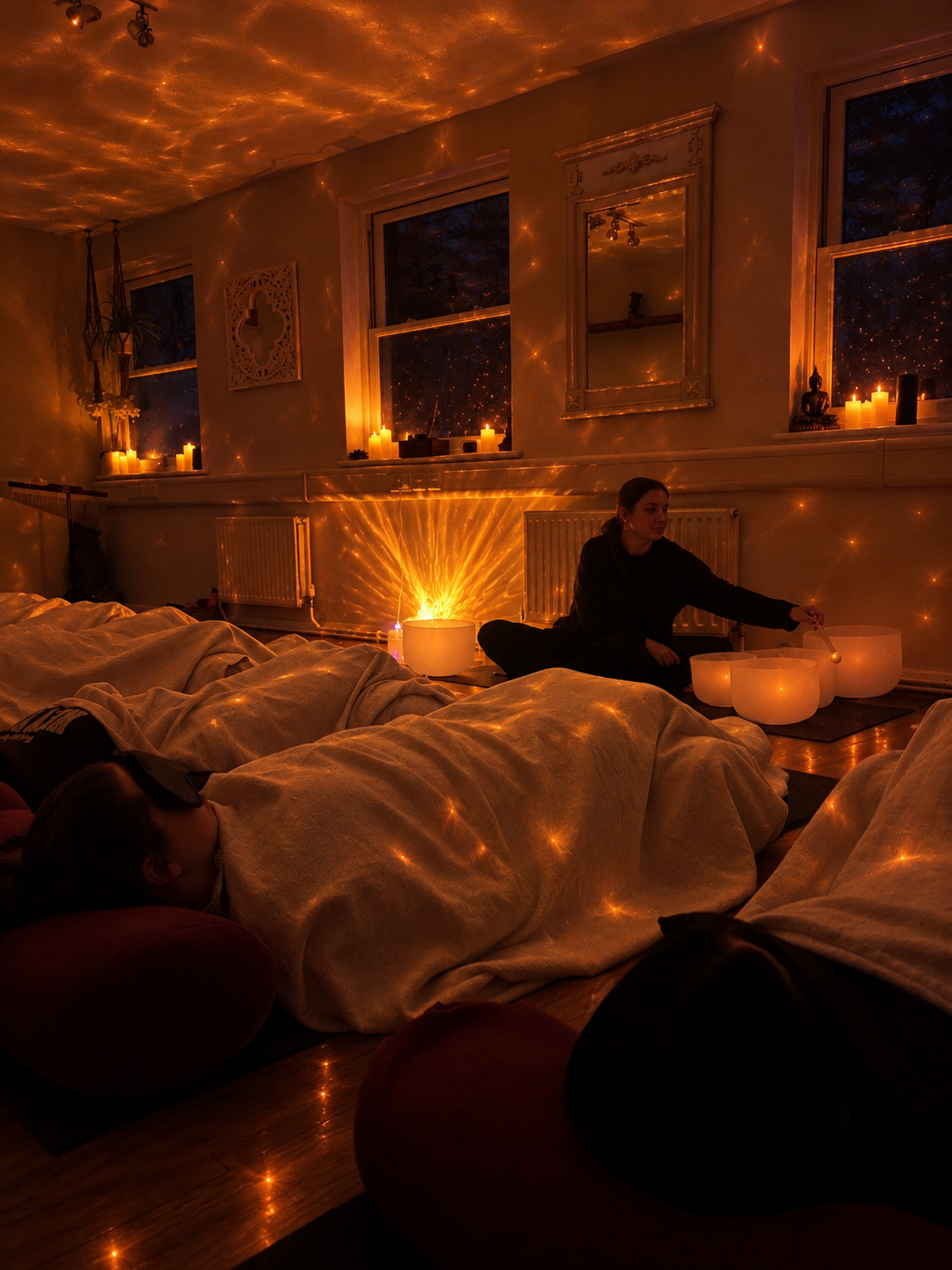
Build an evening wind down. Dim the lights, put the phone away earlier, and give your body a cue that the day is ending.
Practise a short breath or meditation daily, so your system has a way to settle when the dark closes in.
Stay connected. Winter pulls us inward, and plans with people protect your mood.
Let yourself slow down. Rest is not laziness, it is the season asking for a different pace.
Did you know this about meditation? It trains your body to settle, so a flat or tired patch passes more easily instead of dragging on. Research links regular practice with lower stress and better emotional regulation. It will not replace daylight, movement or rest, but it helps you meet the season with more steadiness.
Try this for five minutes in the evening:
Sit somewhere warm with the lights low.
Breathe in for 4, out for 6 to 8, five times.
Notice how your body feels. Warmth, heaviness, tension. Nothing to fix.
Name how you feel in one word. Tired, flat, restless. Naming a feeling can ease its intensity.
Rest your attention on your breath. When your mind wanders, bring it back.
Finish with a hand on your chest and one slow breath.
Do it at the same time each day, after your tea or before bed. Five minutes every day beats an hour once a week.
You are not meant to operate at your June speed in November. Work with the season, not against it.